Little Adorable Kitty: A Designer’s Honest Review for Real Embroidery Projects
First Impressions: Cute, But Can It Carry a Project?
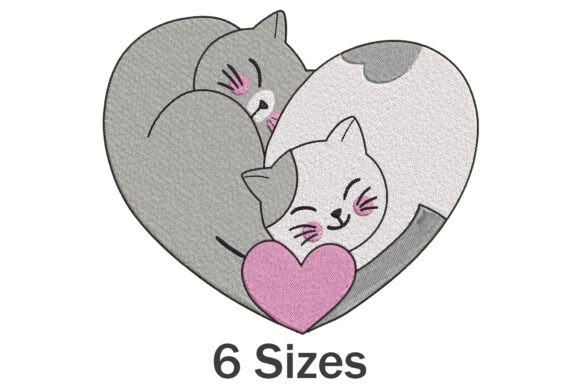
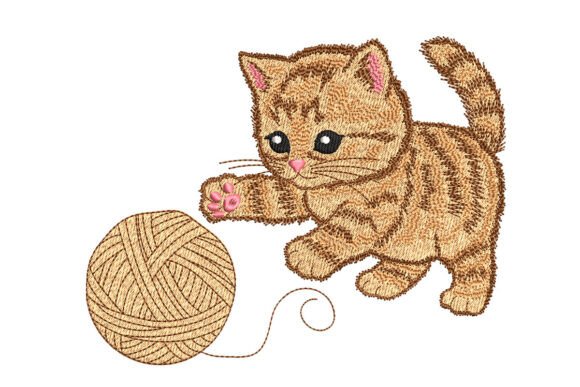
When I first opened the preview for Little Adorable Kitty, I was struck by how expressive the design is. The wide eyes, tiny whiskers, and slightly curious posture give it a soft, approachable charm that immediately makes me think of baby items, plush toys, and boutique-style tote bags. It’s not overly detailed, which is a good thing—it avoids looking cluttered on smaller hoop sizes. The design has a gentle, whimsical personality that feels right at home in handmade nurseries or gift sets.
Visually, it leans toward the “sweet” end of the animal design spectrum. There’s no aggression or playfulness here—just a calm, comforting presence. That makes it ideal for projects that need to feel safe and nurturing, like baby blankets or personalized pillows for a child’s room.
How Does Little Adorable Kitty Hold Up in Real Embroidery?
I tested Little Adorable Kitty on a few different materials: a cotton tote, a lightweight baby onesie, and a medium-weight sweatshirt. The results were pretty consistent across all three. The satin and fill stitches held up well without puckering, and the overall shape remained clean and recognizable after stitching.
- Tote Bags: Looked great on natural cotton. The size scaled nicely to fit the front of a standard tote without feeling cramped.
- Baby Clothes: The softness of the design made it a hit for a onesie. I used a lightweight stabilizer and it stitched cleanly without any stiffness around the design area.
- Sweatshirts: Needed a bit more tension control due to the thicker fabric, but with a good quality tear-away stabilizer, the kitten came through clearly.
It also stitched well on a cap—though I’d recommend using a smaller version of the design if you’re going for a curved surface. The facial details hold up best when given enough space to breathe.
Where This Design Really Shines
Little Adorable Kitty is a solid choice for a variety of niche markets:
- Personalized baby gifts: Onesies, burp cloths, bibs—this design adds a sweet focal point.
- Custom tote bags: Especially for boutique shops or Etsy sellers looking to add a soft, handmade touch.
- Handmade nursery decor: Pillow covers, wall hangings, and mobiles all benefit from this design’s gentle aesthetic.
- Holiday or gift embroidery: Think embroidered tea towels for Mother’s Day or personalized baby blankets for baby showers.
It also works well as a digital embroidery file for designers selling on platforms like Etsy or Creative Market, especially when bundled with coordinating designs like hearts, stars, or small floral accents.
Where to Use Little Adorable Kitty with Care
Like any design, Little Adorable Kitty has its limits. Here are a few situations where I’d recommend extra caution:
- Small hoop sizes: If you’re working with a 4x4 hoop, the design might feel cramped. The facial features can get lost at very small scales.
- Dark fabrics: The light-colored threads may not pop as expected. Always test with thread color contrast before stitching.
- Stretchy or thin fabrics: Without proper stabilizer use, the face can distort or the stitches can pucker.
- Layered garments: Hoodies or jackets with multiple fabric layers might cause the design to sink or stretch.
I also noticed that the whiskers and tiny nose line can get a bit soft on textured fabrics like towels or minky cloth. If you're aiming for clarity, test on a similar fabric first.
Does Little Adorable Kitty Add Value to Your Finished Products?
Yes—but only if used thoughtfully. As a designer, I look for embroidery files that not only stitch well but also enhance the product’s appeal and perceived value. Little Adorable Kitty definitely does that in the right context.
For handmade sellers, this design can elevate a simple item into a charming, gift-ready product. It’s recognizable, approachable, and has that “aww” factor that customers love—especially for baby-related items.
From a branding perspective, it can work as a signature design for small craft businesses focusing on soft, handmade, or baby-themed products. Just make sure it fits your overall brand tone and doesn’t feel out of place next to your other designs.
Designer Notes: What to Check Before You Stitch
Here are a few practical steps I always take before committing to a new embroidery file:
- Test on scrap fabric: Always start with a trial run, especially if you're using a new fabric type.
- Review stitch density: Make sure the design isn’t too dense or too sparse for your intended use.
- Check small details: Facial features can be tricky. Make sure they’re defined enough for your project.
- Confirm hoop size compatibility: Know your machine’s limits and adjust accordingly.
- Test in black and white mockups: Helps you see how the design will look on different fabric colors.
- Use proper stabilizer: Especially important for stretchy or thin fabrics.
- Verify licensing: If you're selling finished items or digital products, confirm that the design allows for commercial use.
Final Thoughts: Is Little Adorable Kitty Worth the Stitch?
If you're a craft business owner, Etsy seller, or embroidery designer looking for a soft, approachable design that works across multiple product types, then yes—Little Adorable Kitty is worth considering.
It’s not the most complex design in the world, but that’s part of its charm. It’s easy to stitch, recognizable, and emotionally appealing—especially for audiences that respond to soft, nurturing visuals. Whether you're embroidering baby clothes, tote bags, or boutique pillow covers, this design can help elevate your work from functional to memorable.
Just remember to use it with intention, test it thoroughly, and make sure it aligns with your brand’s personality and your customers’ expectations.