Rainbow Birds Embroidery Design: A Designer’s Real-World Review
First Impressions: Playful, Bright, and Versatile
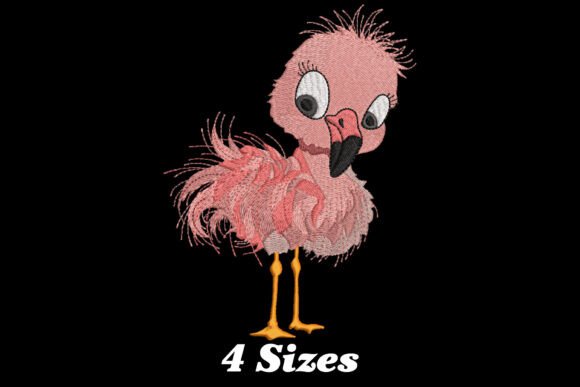
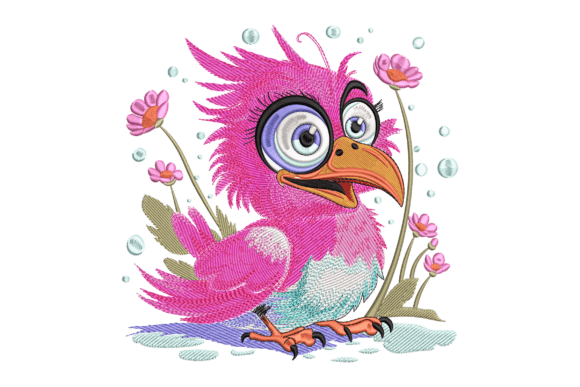
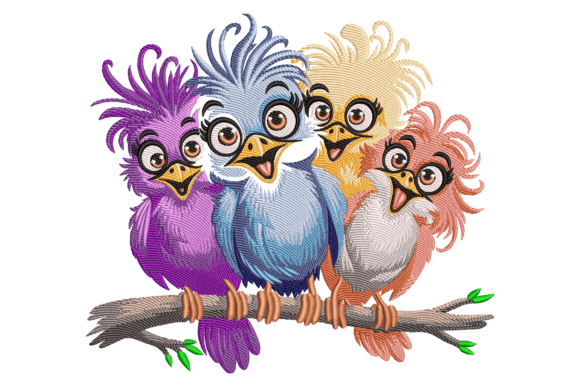
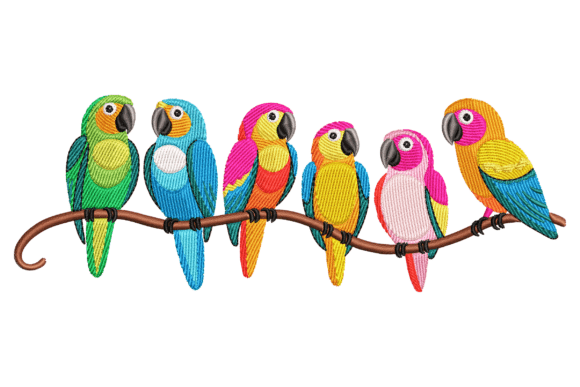
When I first opened the Rainbow Birds embroidery file, the first thing that struck me was its vibrant color palette and whimsical layout. It’s the kind of design that instantly lifts the mood—perfect for projects that need a cheerful, eye-catching element. The birds are stylized but recognizable, with soft curves and flowing lines that suggest movement. The rainbow gradient gives it a modern twist without feeling overly trendy.
As a designer who frequently works with Etsy sellers and small craft businesses, I can see this design fitting well into a variety of niches—especially those targeting kids' apparel, nursery decor, or boutique-style accessories. It’s not overly complex, which makes it great for both beginners and experienced embroiderers looking to add a quick visual pop to their work.
Real-World Use: From Tote Bags to Baby Onesies
I recently tested Rainbow Birds on a custom embroidered tote bag for a local boutique. The design scaled well to the medium hoop size I used, and the stitch-out was clean and precise. The satin-stitched outlines held their shape without puckering, and the fill stitches were dense enough to look solid without weighing down the fabric.
When I applied the same design to a baby onesie, the result was just as satisfying. The colors stood out nicely against the light cotton, and the overall look felt soft and playful—exactly what parents want in baby embroidery. I also tried it on a sweatshirt mockup, and while the texture of the fleece did mute the details slightly, the design still read clearly.
For holiday gifts or personalized items, Rainbow Birds adds a nice level of emotional appeal. It’s not just decorative—it tells a story. That’s valuable when you're selling handmade products or trying to build a cohesive brand for your craft business.
Where to Use It Carefully
Like any design, Rainbow Birds isn’t a one-size-fits-all solution. I noticed that when I reduced the size for a cap embroidery project, some of the finer feather details started to blur. The small hoop size compressed the birds too much, making the overall composition feel crowded.
On dark fabrics, the color contrast needs extra attention. If you’re using the design on black or navy garments, you’ll want to double-check the thread colors to ensure the birds don’t get lost in the background. I found that switching to a slightly lighter blue for the wings helped them pop more clearly.
Also, be cautious when applying this to stretchy or textured fabrics like knits or terry cloth. The satin stitches can pucker if the stabilizer isn’t applied correctly, and the fill areas may not lay flat if the tension isn’t adjusted properly. I always recommend testing on scrap fabric first, especially if you’re using a new fabric type or machine setup.
How Rainbow Birds Impacts Final Product Appeal
From a visual standpoint, Rainbow Birds adds instant charm to any item. It’s the kind of design that makes customers pause and say, “I want that.” That’s huge in the handmade and Etsy market, where presentation matters just as much as quality.
In terms of professionalism, the design holds up well in both personal and commercial embroidery projects. It has a polished look that suggests attention to detail, which helps build customer trust. Whether you're making a custom embroidered patch for a client or creating a line of boutique-style sweatshirts, this design elevates the final product.
I also noticed that it photographs beautifully for digital product previews and printable mockups. The bright colors and clear lines translate well to online listings, which is a big plus for digital embroidery file sellers or Etsy shop owners who rely on strong visuals to drive sales.
Practical Notes for Embroidery Designers
If you're planning to use Rainbow Birds in your next project, here are a few practical tips based on my experience:
- Test the design on scrap fabric before stitching it onto your final product, especially if you're using a new stabilizer or fabric type.
- Check thread color contrast carefully, especially on dark or patterned backgrounds. A slight color tweak can make a big difference in clarity.
- Review stitch density to avoid issues with puckering or fabric distortion, particularly on stretchy or thin materials.
- Confirm hoop size compatibility with your machine before stitching. Resizing too much can compromise the design’s integrity.
- Inspect small details like feather outlines or tiny wings to ensure they stitch cleanly, especially at reduced sizes.
- Test in black and white mockups to see how the design reads without color. This helps identify clarity issues early.
- Compare performance on light vs. dark fabric to understand how the design will look across different product lines.
- Use proper stabilizer depending on the fabric type—cutaway for stretchy materials, tear-away for stable weaves.
- Check licensing terms if you plan to sell finished items or include the design in a digital product bundle.
Final Thoughts: A Bright Addition to Any Embroidery Collection
Rainbow Birds is more than just a cute embroidery design—it’s a versatile asset for any embroidery project that needs a touch of joy. Whether you're creating personalized gifts, small shop products, or commercial embroidery assets, this design delivers both visual appeal and practical usability.
It’s the kind of design that works well across a range of use cases without feeling forced. If you're an Etsy seller, craft business owner, or digital product creator, this is one worth adding to your collection—just be sure to test it thoroughly and consider how it fits into your brand’s overall aesthetic.
In short, Rainbow Birds isn’t just about color and charm—it’s about creating something that people will love to wear, display, and gift. And in the world of embroidery design, that’s exactly what we aim for.