Colorful Chicken: A Designer’s Real-World Review
First Impressions: Playful, Bold, and Full of Character
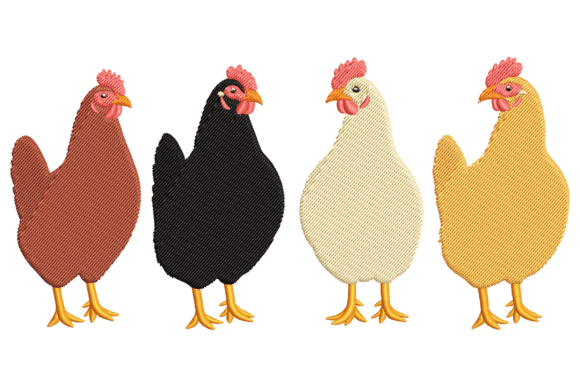
Opening up the Colorful Chicken design file, I immediately felt the energy in the layout. It’s a lively, stylized chicken with exaggerated features and vibrant detailing that leans more whimsical than realistic. The shape is well-balanced, making it versatile for a variety of fabric types and product placements. The theme fits right into the Farm Animals category, but with a twist—this isn’t your average barnyard bird. It’s got personality, and that’s a big plus for anyone selling handmade or personalized items.
The design doesn’t take itself too seriously, which is perfect for baby clothes, tote bags, or boutique-style kitchen towels. It reads clearly even at a glance, which is important when you're creating a product that needs to catch a buyer’s eye quickly—whether it’s on Etsy or at a craft fair.
Real-World Use: From Tote Bags to Sweatshirts
I tested Colorful Chicken on a few different materials to see how it would hold up in actual machine embroidery projects. First up: a natural cotton tote bag. The design stitched cleanly, with no distortion or thread bunching. The satin and fill stitches held their shape well, and the color transitions were smooth. This is a good sign for small business owners looking to create boutique-style tote bags with a playful edge.
Next, I moved to a heavier fabric—fleece for a custom sweatshirt. The design scaled nicely without losing detail, and the overall clarity stayed intact. That’s a win for apparel decorators who want to offer embroidered sweatshirts with a fun, eye-catching motif.
On baby onesies, the design still read clearly, though I did notice that some of the smaller details—like the feather texture—became less defined at reduced sizes. If you're planning to use this in a personalized gift or handmade product line for infants, keep that in mind. It still looks charming, but don’t expect every fine line to pop on a onesie.
Where to Use It Carefully
While Colorful Chicken performs well in most cases, there are a few situations where extra attention is needed. For example, on stretchy fabric like jersey or spandex, I noticed slight distortion around the satin-stitched edges. Using a proper stabilizer helped, but it's something to test before committing to a full production run.
Dark fabrics also require some consideration. The original thread colors are vibrant, but they may not stand out as clearly on black or navy materials. I recommend doing a black and white mockup first to see how the contrast holds up. If you're selling digital embroidery files, offering alternate thread color suggestions for dark backgrounds would be a helpful addition.
Also, avoid placing this design on curved surfaces like baseball caps unless you have experience with cap frames and proper tension control. The detailed corners and satin stitches can pucker if not stabilized correctly.
Impact on Product Value and Customer Appeal
One of the biggest strengths of Colorful Chicken is its visual appeal. It’s distinctive enough to make a product stand out in a crowded Etsy shop or at a craft fair. For small shop owners or creative entrepreneurs, that’s a big deal. This design can elevate a simple tote or tea towel into something that feels intentionally curated.
From a branding standpoint, the design has personality, which helps with brand consistency if you're building a line of themed products. It also adds a touch of professionalism to handmade items, which can help justify a higher price point or attract more discerning buyers.
When used on holiday gifts or wedding favors, this design adds a playful but polished touch. It’s not overly niche, so it works for a wide audience—from kids' items to farmhouse-style home decor. That kind of versatility is a real asset for craft business owners who want to maximize the use of each embroidery file.
Designer Notes: What to Check Before Stitching
Before stitching out Colorful Chicken on a final product, here are a few practical steps I recommend:
- Test on scrap fabric first, especially if you're using a new material or stabilizer.
- Check thread color contrast on both light and dark backgrounds to ensure clarity.
- Review stitch density—this design has some dense areas that might cause puckering on thinner fabrics.
- Confirm hoop size to make sure it fits your machine and the intended placement area.
- Inspect small details like feather textures or eye outlines to ensure they’re readable at your intended size.
- Test in black and white mockups to see how the shape holds up without color.
- Use proper stabilizer depending on fabric type—especially for stretchy or textured materials.
- Check licensing before using the design in a digital product or selling finished items commercially.
These steps aren’t just for beginners. Even experienced embroidery designers should run through them to avoid surprises, especially when adapting the design for different finished products or fabric types.
Final Thoughts: A Versatile Design for Real Projects
Colorful Chicken isn’t just another embroidery design you’ll download and forget. It’s got the structure, style, and flexibility to be used across a wide range of custom apparel, home decor, and personalized gifts. Whether you're creating a boutique sweatshirt, a baby bib, or a set of embroidered tea towels, this design brings a cheerful, professional touch that’s hard to beat.
For Etsy sellers, small shop owners, and crafters looking to expand their design assets, Colorful Chicken offers a strong return on investment. It’s not overly complex, but it still feels intentional and polished. As long as you test it properly and use it where it shines, this design will serve your projects—and your customers—well.